


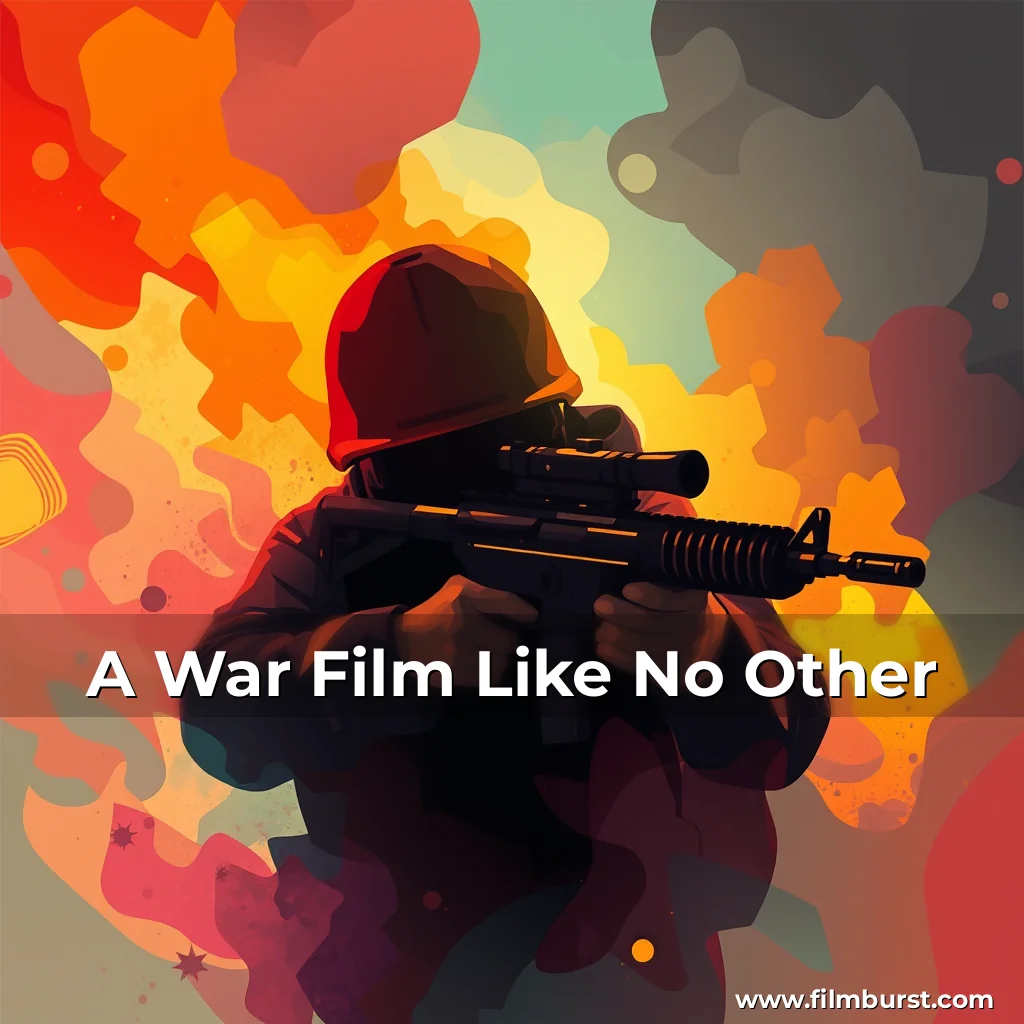
Saving private ryan: A war film Like No Other
saving private Ryan, directed by Steven Spielberg and released in 1998, is widely regarded as one of the greatest war films of all time. Its intense and graphic portrayal of the D-Day landings on Omaha Beach has been praised by critics and audiences alike, with many considering it to be the most intense war film ever made. The film’s opening scene, which depicts the Allied forces landing on the beaches of Normandy, is often cited as one of the greatest pieces of combat cinema ever made. The scene, which lasts for just 24 minutes, is a masterclass in building tension and creating a sense of urgency, with the sound design and cinematography working in tandem to create a truly immersive experience. The film’s action sequences have been described as “extraordinary, utterly believable, horrifyingly graphic”, with many critics praising the film’s ability to convey the true horror of war. The film’s use of practical effects and stunt work adds to the sense of realism, making the action sequences feel all the more intense and visceral.
- Historical Significance: Saving Private Ryan is not an entirely true story, but it is inspired by the experiences of several real-life soldiers during world war II.
- Awards and Accolades: The film won five Academy Awards, including Best Director and Best Cinematography, and has a 94% review rating on Rotten Tomatoes.
Despite its many accolades, Saving Private Ryan is also notable for its controversy. The film’s graphic portrayal of war has been criticized by some as being too intense, and the film’s use of real-life soldiers in some scenes has raised questions about the ethics of using real people in a film.
A True Story? Or Not?
Saving Private Ryan is not an entirely true story, but it is inspired by the experiences of several real-life soldiers during World War II. The film is based on the story of Private First Class James Francis Ryan, a soldier from Iowa who was part of a group of brothers who were sent on a mission to rescue a paratrooper who had been stranded behind enemy lines. The film’s writer, Robert Rodat, was inspired by the true story of Private First Class James Ryan, and he used his imagination to create a fictional story that would capture the essence of the real-life events. The film’s director, Steven Spielberg, was also inspired by the true story, and he used his own experiences as a war correspondent to inform his vision for the film.
Key Characters
- Private James Ryan: Played by Matt Damon, Private Ryan is the soldier who is the central character of the film.
- Captain John Miller: Played by Tom Hanks, Captain Miller is the leader of the team of soldiers who are sent on the mission to rescue Private Ryan.
The Making of the Film
Saving Private Ryan was filmed almost entirely on location in England and Ireland between June and September 1997. The film’s opening Omaha Beach D-Day battle was filmed at the usually peaceful Curracloe Beach in County Wexford, Ireland, where “most of the explosive charges on that beach were real, so when they went off the beach shook.”
The film’s unit production manager and associate producer, Mark Huffam, said the filming was “terrifying” to witness and said that, while Normandy was considered as a filming location, it was quickly ruled out due to post-war development along the coast. The film’s other scenes were filmed at the Hatfield Aerodrome in Hertfordshire, England, including the building of the fictional town of Ramelle, where a battle takes place.
Awards and Accolades
Saving Private Ryan won five Academy Awards, including Best Director and Best Cinematography, and has a 94% review rating on Rotten Tomatoes. The film also won several other awards, including the Golden Globe Award for Best Drama and the BAFTA Award for Best Special Effects.
| Year | Award | Category |
| 1999 | Golden Globe | Best Drama |
| 1999 | Golden Globe | Best Director |
| 1999 | BAFTA | Best Special Effects |
What People Say About Saving Private Ryan
Saving Private Ryan received widespread praise from critics and audiences alike. Writing in The Times, Wendy Ide said: “The 24-minute sequence at the start of Steven Spielberg’s Second World War drama is one of the greatest pieces of combat cinema yet made.”
Peter Bradshaw in The Guardian said it was “an old-fashioned war picture to rule them all — gripping, utterly uncynical, with viscerally convincing and audacious battle sequences”. Leah Rozen, writing in People Magazine, said the film would make “many of us will look at our aging fathers or grandfathers with a newfound respect”. And Jay Carr, writing for the Boston Globe, said it was “the war movie to end all war movies” and “the ultimate combat film, far outdistancing what until now had been the genre’s World War Two classics”. The film has also been praised for its emotional impact, with many viewers calling it “epic”, “emotional”, “brutal” and “one of, if not the, most powerful war films ever made”. Empire magazine ranked it the 54th best film ever made, saying: “The sheer bludgeoning, blood-spilling, visceral power of its Omaha Beach, D-Day-landing opening act ensured that Steven Spielberg’s fourth World War Two movie set the standard for all future battle depictions.”
It added that its style “has been often copied, but rarely bettered” since.
Conclusion
Saving Private Ryan is a war film that continues to captivate audiences with its intense and graphic portrayal of war. With its masterful direction, gripping storyline, and stunning visuals, it is a film that will be remembered for generations to come. Its impact on the war film genre cannot be overstated, and it remains one of the most highly acclaimed films of all time.


news is a contributor at FilmBurst. We are committed to providing well-researched, accurate, and valuable content to our readers.
You May Also Like

The Western Classic that Has Stood the Test of Time: Unforgiven
Unforgiven, directed by the iconic Clint Eastwood, has been hailed as the "best ever made" by fans and critics alike,...
The Diplomat Review : John Abraham and Sadia Khateeb political drama is well intentioned but bland and dry
She is a young woman living in Lahore who is being forced to marry a man she does not love....
Best Film Award for OCarolan College at Rubbish Film Festival
The festival, which celebrates the creativity and talents of TY students, has been running for over 20 years and has...

Aamir Khan’s Sitaare Zameen Par Set for Theatrical Release Amidst Certification of Trailer
Aamir Khan, one of Bollywood’s most respected and influential stars, is set to light up the screens once again with...