


tags.
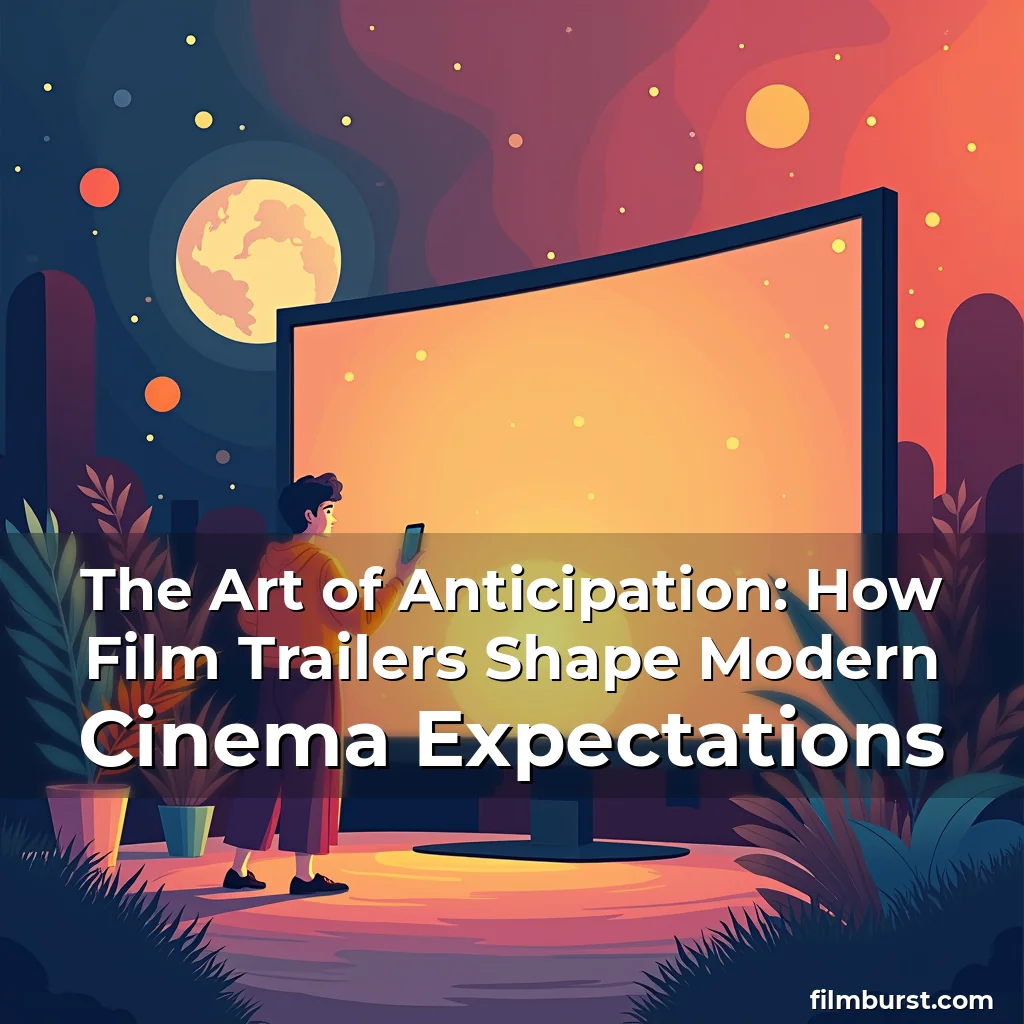
The Art of Anticipation: How film trailers Shape modern cinema Expectations
In an era where cinema experiences begin long before entering a theater, film trailers have evolved from mere promotional tools into powerful storytelling devices that shape audience expectations. These brief previews are meticulously crafted to ignite curiosity while revealing just enough to entice viewers without spoiling the full narrative.
The artistry behind modern film trailers lies in their ability to balance mystery with revelation, creating a delicate tension that keeps audiences engaged across platforms ranging from social media to cinematic event screenings. This intricate dance between disclosure and intrigue has transformed trailers into essential components of the filmmaking process itself.
The Evolution of Film Trailers Through Decades of Innovation
Film trailers originated as simple promotional reels shown before feature films, often consisting of random clips strung together with minimal editing. By the 1960s, studios began developing structured trailer formats featuring thematic music and synchronized pacing to create emotional resonance with potential viewers.
The advent of digital technology in the late 1990s revolutionized trailer production, enabling filmmakers to craft complex narratives within minutes rather than hours. Today’s trailers incorporate advanced visual effects, dynamic camera movements, and algorithm-driven analytics to target specific demographics with precision.
- Early Trailers: Silent-era promos relied on intertitles and basic scene selection to promote upcoming releases
- Digital Revolution: CGI enhancements allowed for dramatic reimagining of scenes during trailer creation
- Data-Driven Production: Studios now use viewer engagement metrics to refine trailer content in real-time
Psychological Strategies Behind Effective Trailer Design
Successful film trailers employ psychological techniques to manipulate audience perception and build anticipation. The careful sequencing of footage creates cognitive dissonance that compels viewers to seek resolution through watching the complete film.
Sound design plays a crucial role in shaping emotional responses, with composers crafting musical scores specifically tailored to maximize impact within the limited timeframe. Studies show that strategic use of silence can be more effective than continuous sound in building suspense.
A well-crafted trailer follows the “rule of three,” presenting three distinct character moments that collectively establish the story’s core conflict. This pattern helps form mental associations that persist even after viewing only a few seconds of footage.
The Role of Music in Trailer Composition
Musical choices in film trailers act as emotional catalysts, transforming raw footage into compelling narratives. Composers strategically select leitmotifs that evoke specific emotions aligned with the film’s genre and themes.
Orchestral arrangements dominate action and fantasy genres, using sweeping crescendos to emphasize epic scale. In contrast, horror trailers frequently utilize discordant sounds and sudden silences to create unsettling atmospheres.
Recent innovations include interactive trailers that allow users to choose different musical tracks based on personal preferences, creating personalized advertising experiences that increase viewer engagement by up to 38% according to industry reports.
Crafting the Perfect Trailer Structure
Professional trailers follow a carefully planned structure designed to maintain viewer interest while gradually increasing stakes. The opening sequence typically establishes setting and tone through visually striking imagery.
Mid-section reveals key characters and conflicts through carefully selected dialogue snippets and dramatic performances. This phase builds momentum by showcasing both the film’s strengths and its central challenges.
The closing segment delivers a strong emotional punch through either a climactic moment or an intriguing question. This final impression leaves audiences with lingering questions that drive them toward theaters or streaming platforms.
Industry experts recommend maintaining a consistent visual style throughout the trailer, ensuring that each shot reinforces the overall narrative arc being presented.
The Impact of Social Media on Trailer Distribution
Social media platforms have fundamentally changed how film trailers reach global audiences, allowing studios to bypass traditional distribution channels and connect directly with consumers. Algorithms prioritize content that generates high engagement rates, influencing which trailers receive wider exposure.
Platforms like YouTube and TikTok enable viral marketing strategies where user-generated content featuring trailers can amplify a film’s visibility exponentially. Hashtag campaigns and influencer partnerships further expand reach beyond conventional promotion methods.
The rise of interactive social media features allows fans to engage with trailers through polls, quizzes, and AR filters that enhance immersion. These innovations not only entertain but also provide valuable data on audience reactions in real time.
Ethical Considerations in Trailer Creation
While trailers aim to generate excitement, they must navigate ethical boundaries regarding spoilers and misrepresentation. Excessive reveal of plot points risks diminishing the surprise factor when viewers finally watch the full film.
Some critics argue that over-editing footage can distort a film’s true nature, leading to mismatched audience expectations. However, proponents counter that these creative liberties help highlight a movie’s most marketable aspects.
Transparency guidelines now require studios to clearly label spoiler-containing content, though enforcement remains inconsistent across different regions and platforms. This ongoing debate highlights the fine line between effective promotion and misleading representation.
To address these concerns, some filmmakers opt for alternate versions of their trailers that preserve narrative integrity while still generating buzz. These variations cater to different segments of the audience with varying levels of prior knowledge.
The Future of Immersive Trailer Experiences
Advancements in virtual reality and augmented reality technologies promise to transform film trailers into fully immersive experiences. Early experiments suggest that VR trailers could significantly boost box office performance by providing deeper engagement opportunities.
Artificial intelligence is already playing a growing role in trailer generation, analyzing vast amounts of data to predict which elements will resonate most effectively with target audiences. Some AI systems can automatically assemble trailers based on predefined parameters.
Interactive trailers utilizing branching narratives offer unprecedented freedom for viewers to explore different paths within the same preview. This innovation may redefine how audiences interact with cinematic content before making viewing decisions.
As these technologies mature, we may see the emergence of personalized trailers that adapt dynamically based on individual viewer profiles, tailoring content to match personal interests and consumption patterns.
Conclusion
Film trailers have transcended their original purpose to become sophisticated storytelling mechanisms that influence every aspect of modern cinema culture. Their evolution reflects broader changes in entertainment consumption habits and technological capabilities.
By understanding the psychology behind successful trailer composition and embracing emerging technologies, creators can continue pushing the boundaries of what these pre-show glimpses can achieve. As the medium continues to evolve, so too will our relationship with the stories waiting to unfold on screen.


news is a contributor at FilmBurst. We are committed to providing well-researched, accurate, and valuable content to our readers.
You May Also Like


Minecraft Mania
A Minecraft Movie has become a box office sensation, captivating audiences with its hilarious moments and infectious enthusiasm. The film's...

The Lost Art of Movie Trailers
In the days of old, movie trailers were short, sweet, and to the point. They would usually last only a...
The Accountant 2: A Sequel with a New Tone and Humor
As the sequel to the 2016 action-thriller film, The Accountant, the upcoming movie promises to bring more comedy and action...
The Failure of Snow White: A Wake-Up Call for Disney
The recent live-action remake of Snow White and the Seven Dwarfs has been met with poor reviews and disappointing box...