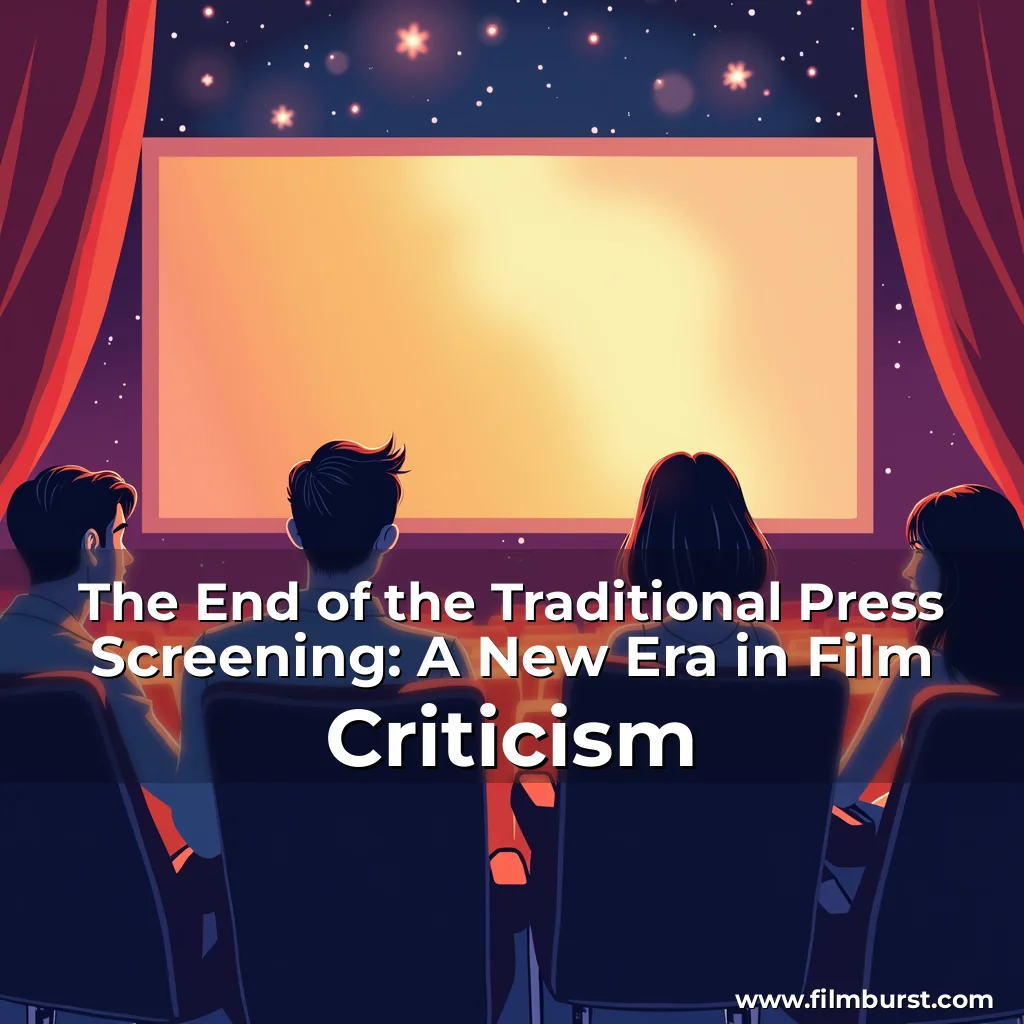
The glamour of the pre-release press screening has become a thing of the past, thanks to the big film production houses. Yash Raj Films and Dharma Productions are among the producers who have stopped hosting these events. The reasoning behind this move is twofold: firstly, to preserve the magic of watching a film without spoilers, and secondly, to escape the unfavorable reviews and extortion tactics that often accompany such events. The industry insiders suggest that the decision to halt the pre-release screenings may be a result of the deep-seated dynamics at play in the film industry. These include the growing phenomenon of purchased opinions, where critics and reviewers are bought off to write positive reviews. According to a former journalist turned public relations consultant, who wished to remain anonymous, the rate card for paid reviews is as follows:
- Rs 15,000 to Rs 60,000 for a single tweet
- Upwards of Rs 1 lakh for a full-fledged post or article
This consultant revealed that if a filmmaker refuses to play along, negative campaigns are often orchestrated against them as a form of pressure. The erosion of credibility has led producers to rethink their strategies, and instead of relying on traditional reviews, they are choosing to let the audience become the ultimate judge. “Many filmgoers have begun to question the integrity of critics, as reviews increasingly appear to be swayed by monetary incentives,” says film analyst Girish Wankhede. “While genuine criticism still exists, much of the press coverage has been reduced to a mere extension of a film’s PR campaign.”
The impact of this shift in strategy is evident in the way audiences engage with films. The once-coveted critic’s chair is now increasingly vacant, replaced by the louder, more immediate voice of the audience. social media has democratized film criticism, and viewers today are more inclined to trust peer opinions over professional reviews.
“Social media has democratized film criticism,” Wankhede adds. “Viewers today are more inclined to trust peer opinions over professional reviews.”
In an era where virality often carries more weight than verdicts, the end of the traditional press screening could mark the beginning of a more authentic conversation around cinema. The results speak for themselves. Recent releases like Kubera, Sitaare Zameen Par, and Metro In Dino have thrived on strong word-of-mouth rather than orchestrated media pushes. When a movie resonates with its viewers, it creates a ripple effect. WhatsApp forwards, Twitter threads, and Instagram reels have become the new critical endorsements. As film analyst Wankhede explains, “When a movie resonates with its viewers, it creates a ripple effect. WhatsApp forwards, Twitter threads, and Instagram reels have become the new critical endorsements.”
| Example | Movie | Word-of-mouth | Box Office |
| Kubera | Sitaare Zameen Par | Thrived | Thrived |
| Metro In Dino | Thrived | Thrived |
The end of the traditional press screening marks a significant shift in the way films are marketed and consumed. It is a move that could potentially disrupt the traditional power dynamics between producers, critics, and audiences. As the industry continues to evolve, it will be interesting to see how this trend unfolds. The film industry is constantly adapting to new technologies and changing consumer behaviors. The rise of social media has transformed the way films are promoted and reviewed. The traditional press screening, once a staple of film marketing, is now a relic of the past. As the industry moves forward, it will be exciting to see how this shift in strategy affects the way we experience and engage with cinema. The End of the Traditional Press Screening: A New Era in Film Criticism is a reality that is being felt across the industry. As the traditional press screening becomes a thing of the past, a new era of film criticism is emerging. One that is more democratic, more organic, and more focused on the voices of the audience. This shift could potentially lead to a more authentic conversation around cinema, and a more empowered audience. As the industry continues to evolve, it will be interesting to see how this trend unfolds.

news is a contributor at FilmBurst. We are committed to providing well-researched, accurate, and valuable content to our readers.