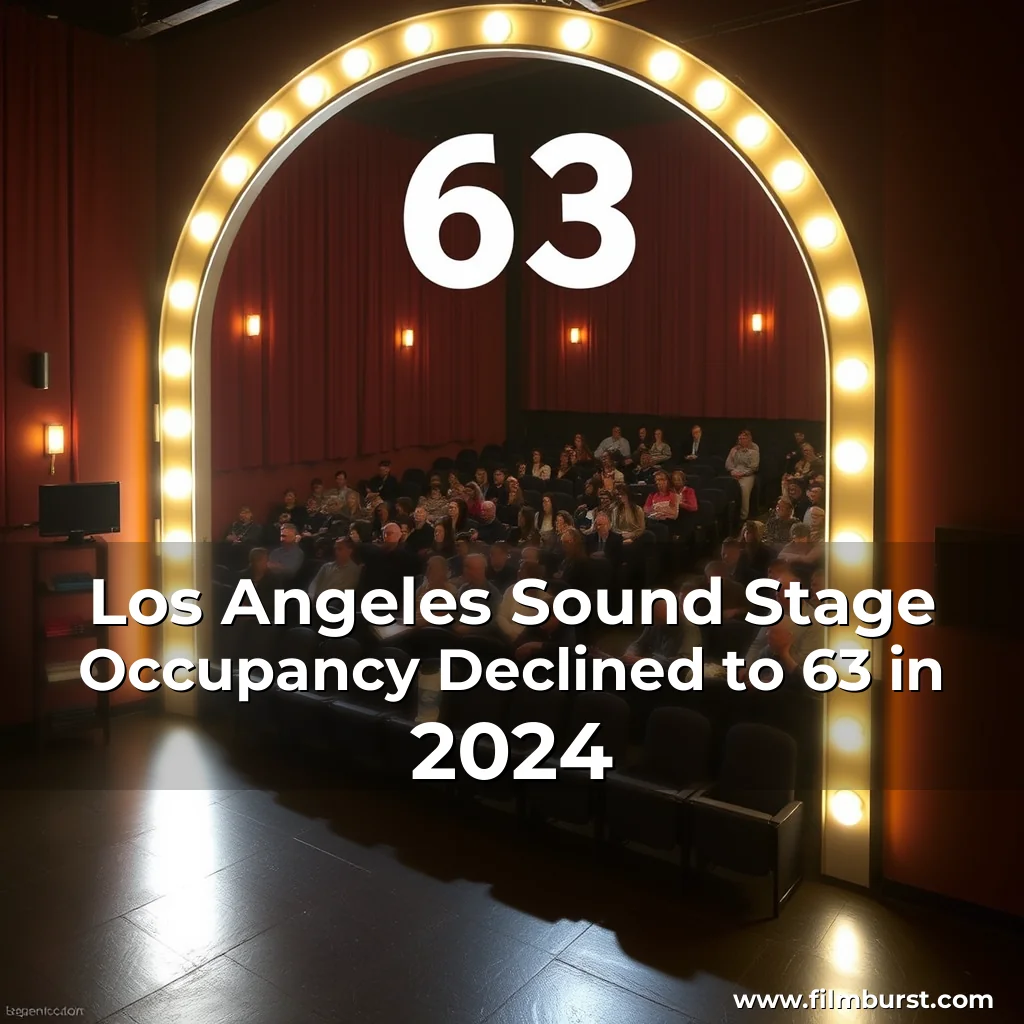
The State of sound stage Occupancy in the Greater los angeles Area
The COVID-19 pandemic has had a profound impact on the film industry, with many productions being forced to shut down or significantly alter their operations.
The data was collected by the Sound stage production Report, a collaborative effort between the Motion Picture Association of America (MPAA) and the International Alliance of Theatrical Stage Employees (IATSE).
The Role of the Sound Stage Production Report
The Sound Stage Production Report plays a crucial role in promoting the use of sound stages in the industry. By providing aggregated data from participating studios, the report highlights the importance of sound stages in achieving high-quality visuals and audio. • The report also provides insights into the benefits of sound stages, including cost savings, increased productivity, and improved quality.
The Shift in television series Production
The television series production in Los Angeles has undergone significant changes in recent years. The decline in production of television series has been a notable trend, with a 10% decrease in the number of projects being produced. This shift has had a substantial impact on the industry, with television series accounting for only 20% of all production happening on certified stages and backlots in Los Angeles.
This surge in production capacity has been driven by the growing demand for theatrical productions, particularly in the context of live events and festivals. Theatre and live events have experienced a significant resurgence in popularity, with many venues and producers opting for stage-based productions over traditional film and television formats.
Further details on this topic will be provided shortly.

news is a contributor at FilmBurst. We are committed to providing well-researched, accurate, and valuable content to our readers.